Using NBA Tracking Data to Examine Sets
In this article I am going to use NBA tracking data to break down a set that the Clippers ran multiple times in their 2015 Christmas day game against the Lakers. And as promised, this is a game for which film is available on YouTube. All the animations in this article I created using the same data set as the other NBA tracking data posts on my website, and I wrote an improved function that allows us to view the players movement on the court dynamically, instead of using a static image with trails to show players' paths. The function takes a period of time as inputs and returns an animation of each players position on the court during that segment. For each play I have attached the animation of the tracking data and the corresponding footage. I encourage you to look at both and see how they compare.
Play 1: The Lob
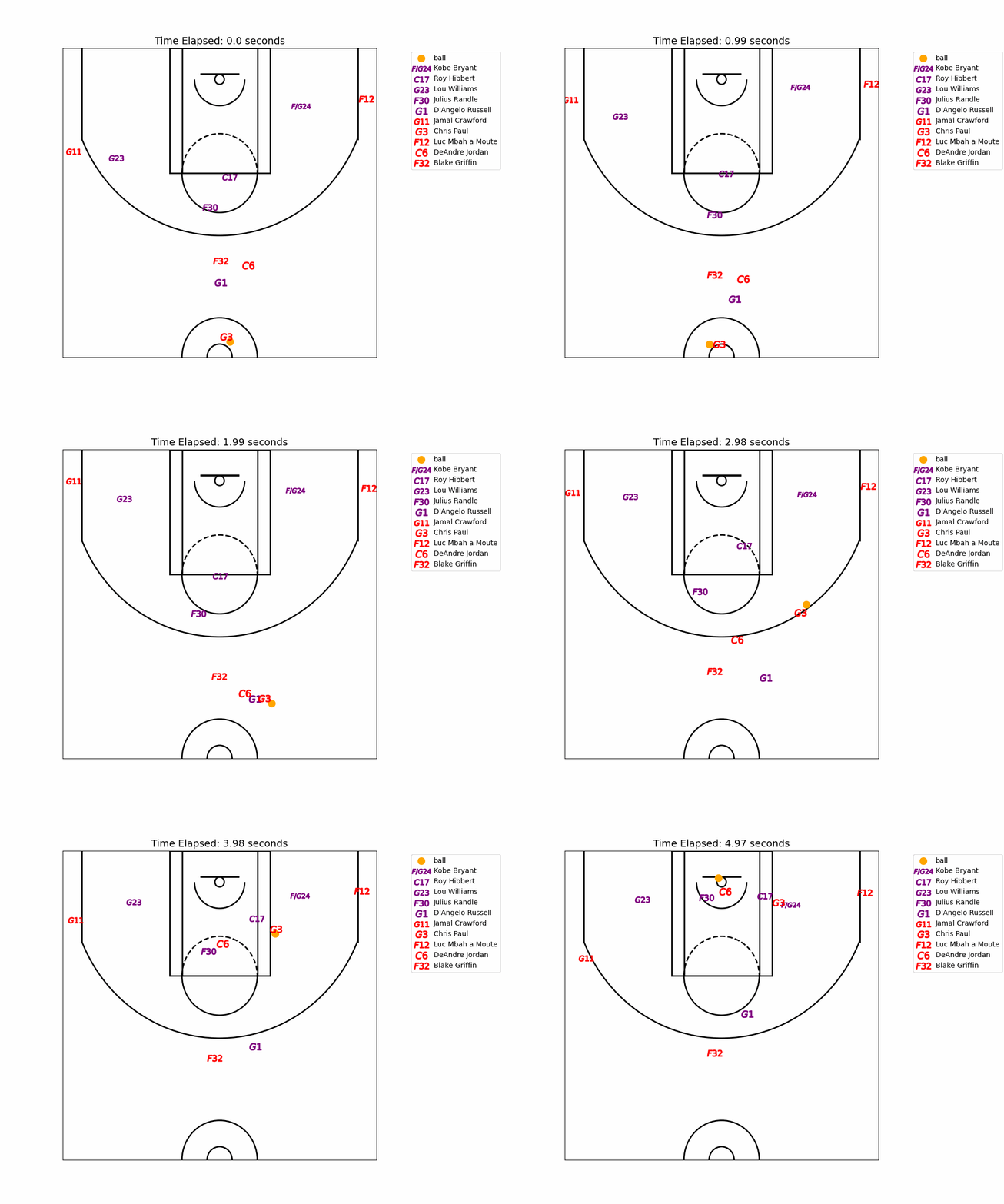
The set I am looking at is a double high ball screen that the Clippers use to get downhill with speed. The first play comes with 3:38 left in the first quarter.
Blake Griffin and DeAndre Jordan come and set a double screen on D'Angelo Russel. DLo tries to cheat to the ball handler's right, but is caught by a hard screen from Jordan, and Paul successfully gets downhill into the heart of the defense. If you watched much basketball in the mid 2010's then you know this Clippers team was affectionately nicknamed "Lob City", and on this play they show why as Jordan throws down the alley-oop from CP3.
Play 2: The Middie
On their very next possession the Clippers go to this double high ball screen again. DLo tries to defend it the same way, but this time Paul goes left before snaking the pick-and-roll and pulling up for a signature midrange shot.
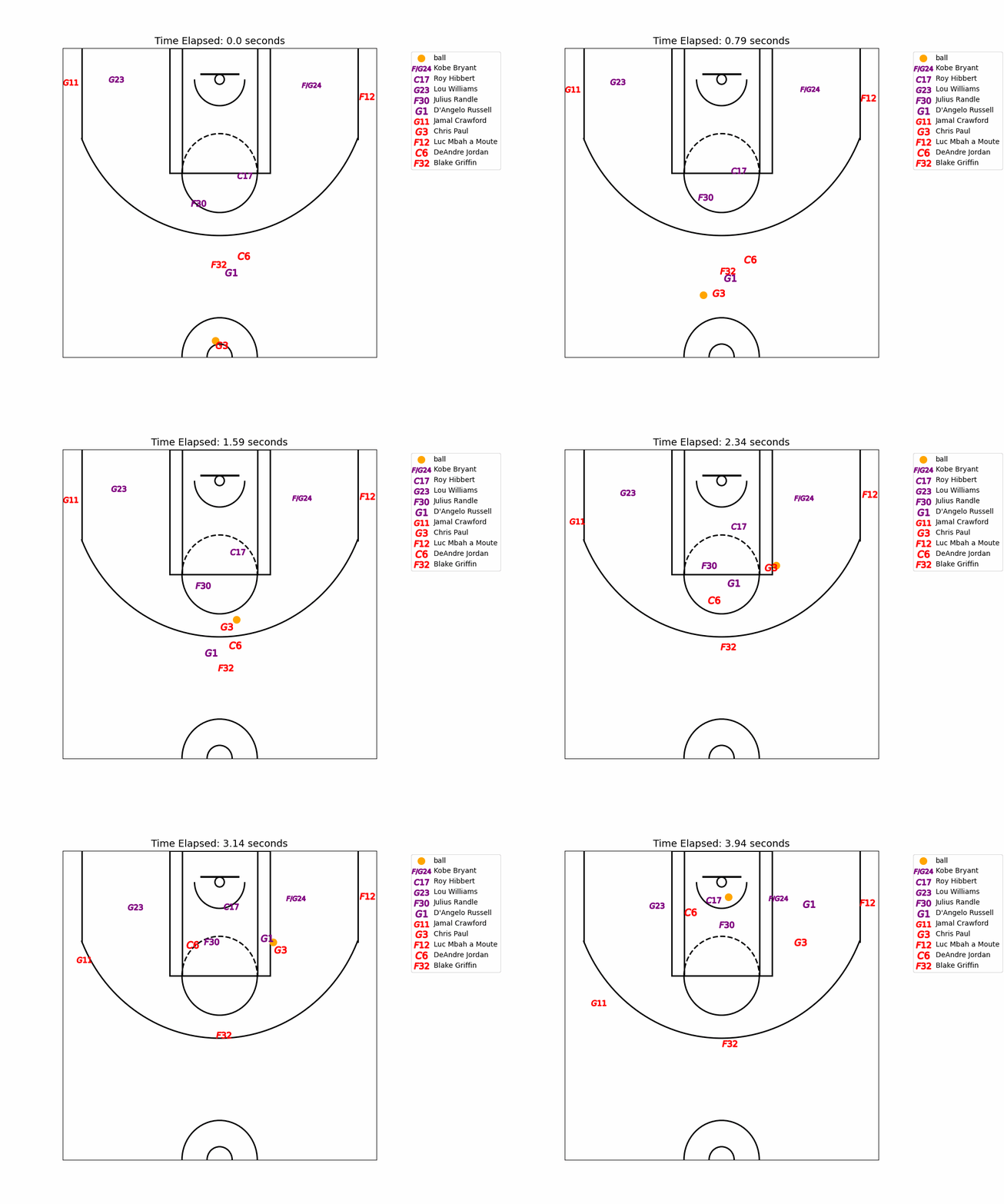
On a personal note this is exactly the type of shot that I am preoccupied with. Paul knows that the defense is going to be watching out for the lob, and uses the extra space to pull up for two. Part of why I think midrange shots have underrated value in analytics is that it takes a high basketball-IQ to make them efficiently. This is a soft skill Paul has mastered.
Play 3: The Floater
The third time the Clippers run this set is near the end of the 1st half, with just under a minute remaining in the second quarter.
This time it's Jordan Clarkson who is caught in the action, and he too cheats to Paul's right. Like in the first play, Paul comes of the screen right and gets to the basket with speed. Unlike last time, he sees that Roy Hibbert isn't sliding over to stop him from getting to the rim. Hibbert remembers last time and is concered about the lob threat posed by a rolling Jordan, but it's too much space to give Paul who makes a tough floater over the late contest.
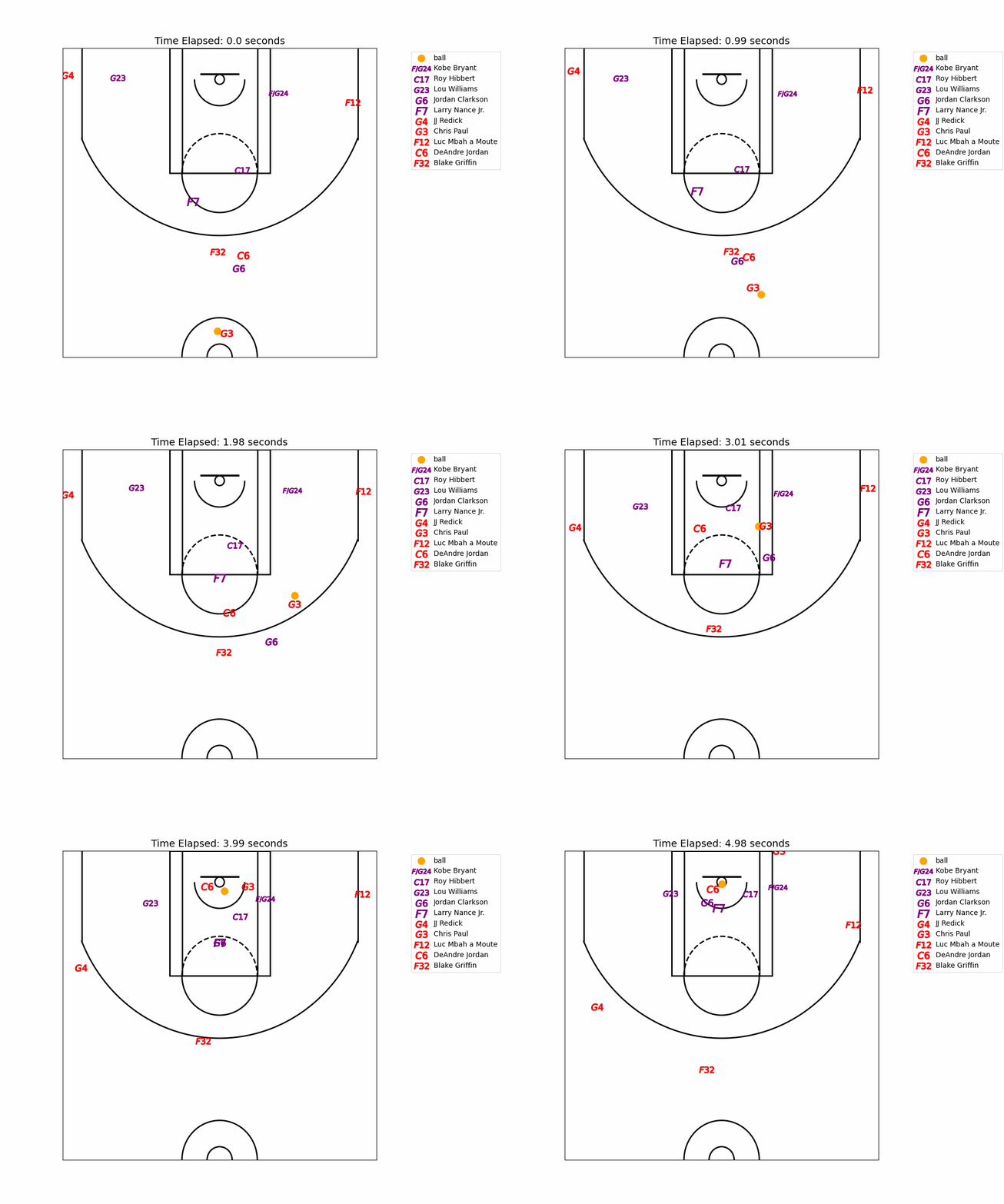
These three plays evince the spectacular offensive threat that the Lob City Clippers posed to teams on a nightly basis. The jaw-dropping athleticism of Jordan and Griffin paired with Paul's genius-level IQ made covering these sorts of actions a nightmare for defenders.
Play 4: The Pick and Pop
The last play the clippers run out of this double high set comes with 0:25 left in the 3rd, this time with different personel: Paul Pierce (THE TRUTH) joins Jordan as the second screener, and Jamal Crawford is the secondary ballhandler off a DHO action by Pablo Prigioni(as seen in YouTube footage).
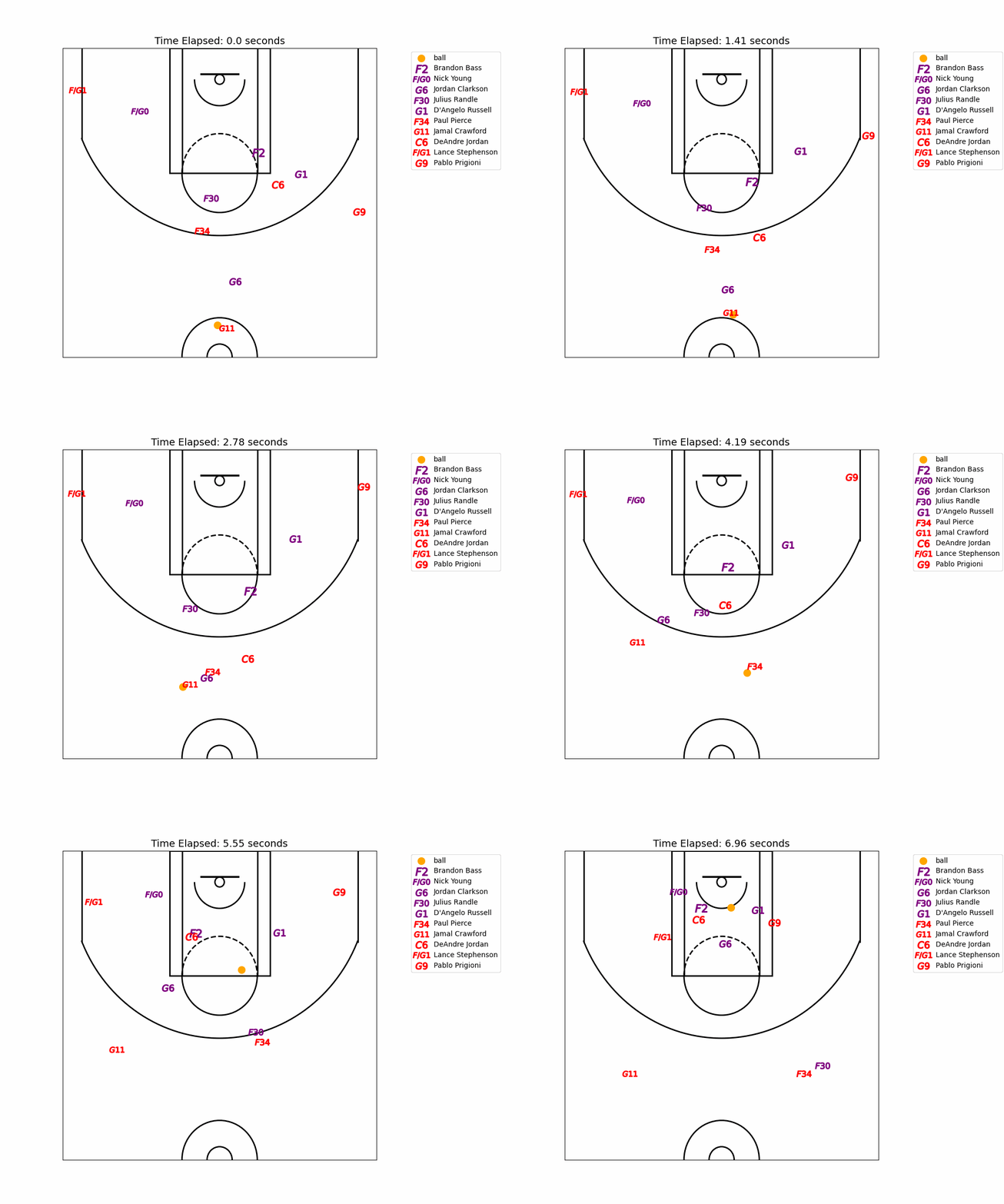
Because of the different personel, the Clippers run a different action out of the set: a pick-and-pop for Paul Pierce. Pierce is unable to convert on the three-point attempt, though he could've perhaps gotten a cleaner look if Jordan set a second shooting screen on Julius Randle after the initial double high screens.
In summation, this action is a perfect fit for this iteration of the Clippers. For coaches it serves as an example of what it mean to put your players in a position to succeed. Using tracking data to view the plays as they happen in real time can be a great asset. Even as plays as "simple" as these, it helps laypeople like myself to see the underlying concepts that teams use to get consistent scoring opportunities! This birds eye view has even more applications, and in the near future I hope to modify the function I used to create these animations to fully identify and diagram the plays that NBA teams run.